May 5, 2026
A well-planned outdoor structure does more than extend usable space. It shapes how a home functions, how people gather, and how the property feels as a whole. For homeowners exploring upgrades like decks, patio covers, pergolas, or railings, thoughtful planning is essential to ensure the final result is both durable and visually cohesive.
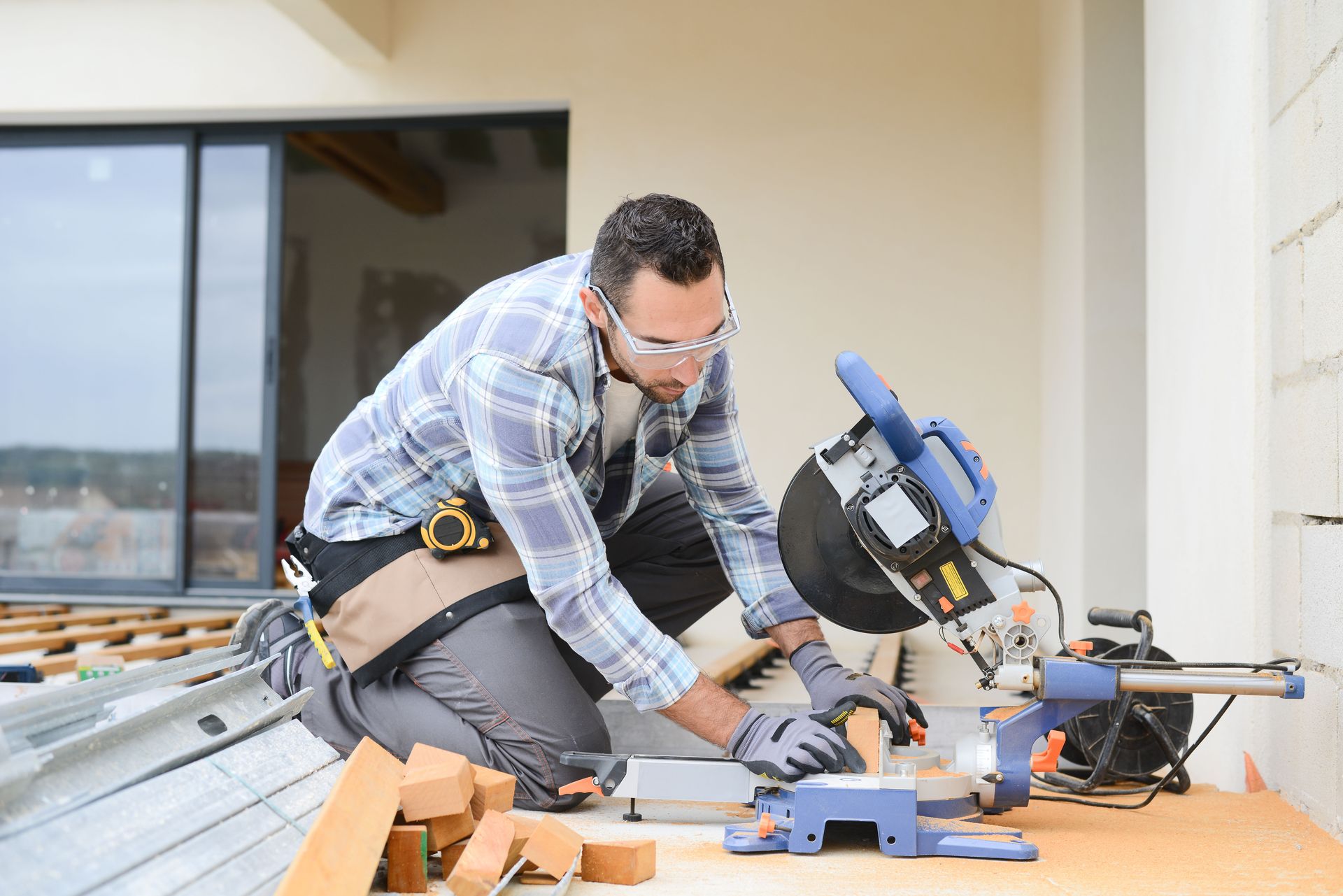
Professional deck builders approach every project with a structured evaluation process that goes beyond surface design choices. They consider how the structure integrates with the home, how it will perform over time, and how it aligns with daily use patterns. These early decisions often determine whether a finished deck feels like a natural extension of the home or an afterthought.
1. Design Proportion and Space Planning
Evaluating Home Scale and Outdoor Flow
One of the first considerations professional deck builders evaluate is how the structure relates to the size and scale of the home. A deck that is too large can overwhelm the property, while one that is too small may feel disconnected from the living space it is meant to enhance.
According to Lawn Love, most contractors recommend keeping a deck's footprint under 20% of the home's total square footage, a guideline designed to maintain visual balance and proportional harmony. This principle helps ensure that outdoor additions complement rather than compete with the main structure. When applied correctly, it supports a seamless transition between indoor and outdoor living areas while preserving architectural integrity.
Beyond size, flow is equally important. Deck contractors assess how people will move between doors, patios, and yard spaces. Entry points, traffic patterns, and focal views all influence how the deck is positioned. A poorly placed structure can disrupt natural movement, while a well-planned layout enhances accessibility and encourages intuitive use.
Balancing Functionality and Aesthetics
Functionality and aesthetics must work together rather than compete. Experienced deck builders evaluate how the space will be used before finalizing any design elements. A deck intended for entertaining may require open areas and built-in seating, while a more private retreat may prioritize shade and enclosure.
Visual harmony is also critical. The deck should align with the architectural style of the home, including roof lines, exterior materials, and window placement. This alignment ensures that the structure feels intentional and integrated rather than added later as an independent feature.
Deck contractors often refine proportions to strike the right balance between open space and structural elements. Railings, stairs, and support posts are designed not only for safety but also for visual rhythm. The goal is to maintain openness while still defining usable zones within the structure.
Integrating Lifestyle Requirements
Every homeowner uses outdoor space differently, which is why customization plays a central role in planning. Deck contractors take time to understand lifestyle needs before finalizing layouts. Some clients prioritize dining and entertainment areas, while others prefer quiet seating zones or multi-use flexibility.
This stage of planning often includes consideration of how the deck connects with surrounding features like gardens, pools, or outdoor kitchens. These relationships influence spacing, elevation, and orientation. When properly integrated, the deck becomes a functional hub that supports multiple activities without feeling overcrowded.
2. Material Selection and Long-Term Performance
Understanding Material Durability and Maintenance
Material selection is a critical decision that influences both appearance and long-term maintenance requirements. Deck contractors evaluate environmental exposure, usage intensity, and homeowner preferences before recommending materials.
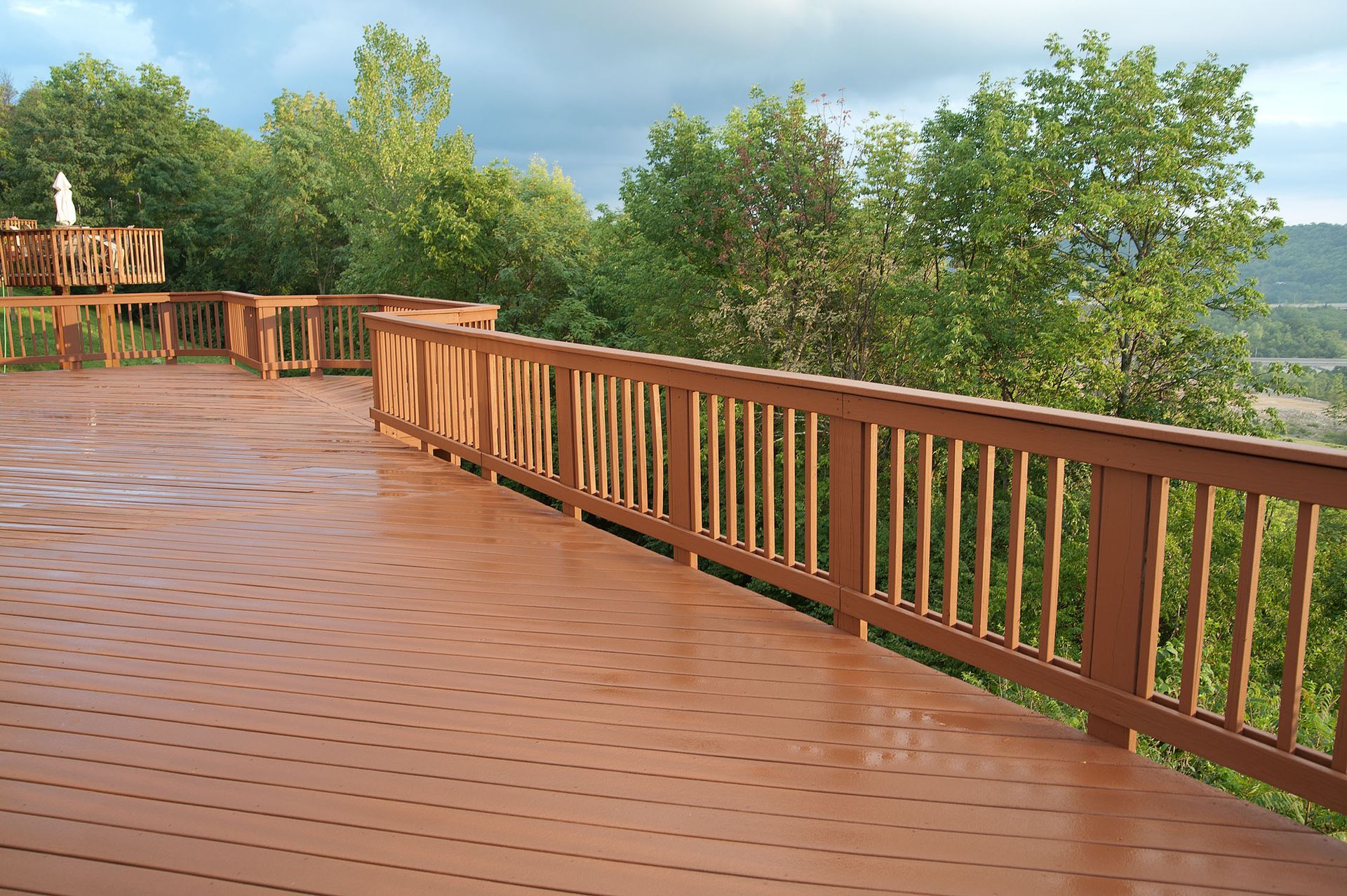
Natural wood offers warmth and traditional appeal but requires regular upkeep to maintain its appearance. Composite alternatives provide enhanced resistance to moisture, fading, and wear, making them suitable for homeowners seeking lower maintenance demands. Each option carries trade-offs that must be weighed carefully during planning.
Durability is not only about surface resilience but also about how materials respond to temperature changes, moisture levels, and seasonal shifts. Skilled deck builders anticipate these factors and select materials that will perform consistently over time.
Matching Materials to Design Intent
Beyond performance, materials must align with the intended design style. A modern aesthetic may benefit from clean lines and uniform surfaces, while a more rustic design might incorporate natural grain variations and textured finishes.
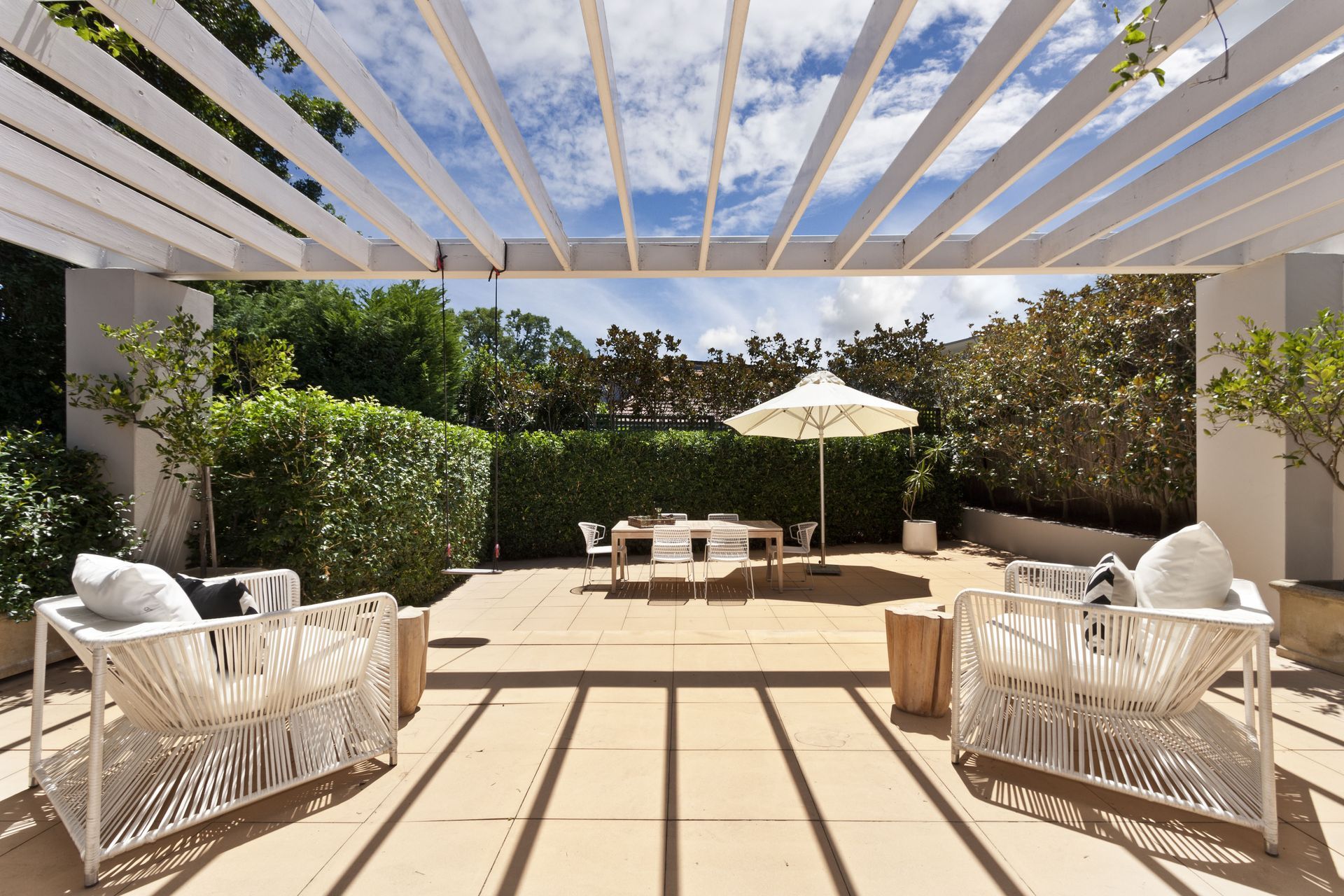
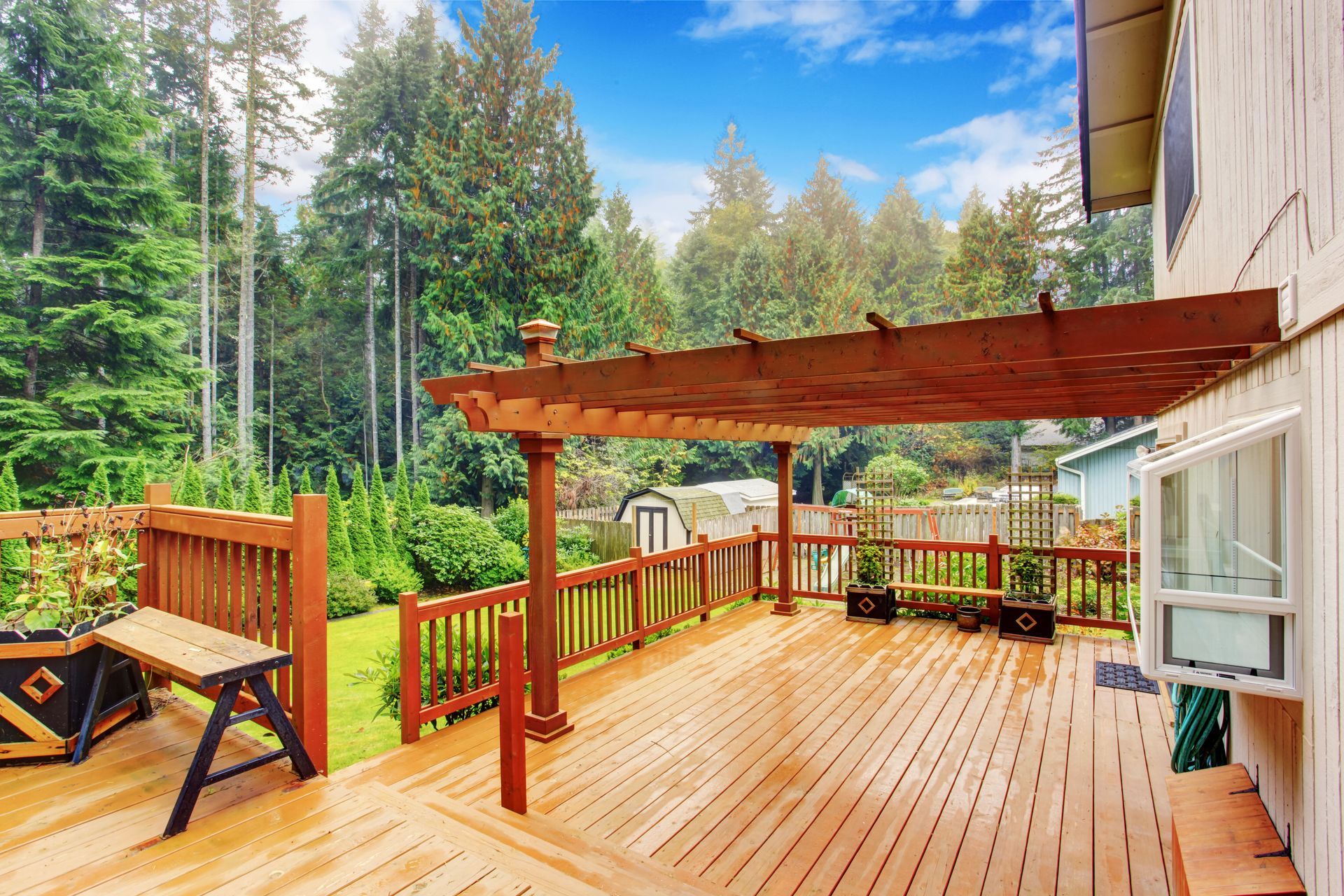
Deck contractors also consider how materials interact with surrounding features such as patio covers or pergolas. Consistency in tone and texture helps unify the outdoor environment, ensuring that each element feels part of a cohesive design rather than an isolated addition.
Color stability is another key consideration. Exposure to sunlight can alter the appearance of certain materials over time, so selecting options with long-term color retention helps preserve visual consistency.
Factoring in Environmental Exposure
Environmental conditions play a significant role in material performance. Areas with heavy rainfall, snow, or intense sunlight require materials designed to withstand those specific challenges. Deck contractors assess drainage, sun exposure, and wind patterns before making final recommendations.
In high-moisture environments, resistance to rot and mold becomes especially important. In sunnier climates, UV resistance is a higher priority. By tailoring material selection to environmental conditions, deck builders help ensure the structure remains stable and visually appealing for years.
3. Structural Integrity and Site Conditions
Assessing Ground Stability and Load Requirements
Structural safety is a foundational concern for any outdoor build. Deck builders begin by evaluating soil conditions, slope, and load-bearing capacity of the site. These factors determine how the foundation must be constructed to ensure long-term stability.
Uneven terrain may require additional support systems, while flat ground allows for more straightforward installation. Load calculations are also essential, as decks must safely support furniture, foot traffic, and environmental stressors such as snow accumulation.
Proper structural planning ensures that the deck remains secure under varying conditions. Without this step, even well-designed structures can experience premature wear or instability.
Ensuring Code Compliance and Safety Standards
Compliance with local building requirements is a non-negotiable aspect of professional construction. Deck contractors ensure that all structural elements meet safety regulations, including railing height, stair design, and support spacing.
Permitting is typically handled early in the process to avoid delays or compliance issues later on. This ensures that the final structure is not only safe but also legally approved for use. Attention to these standards protects both the homeowner and the long-term value of the property.
Safety considerations extend beyond regulations. Deck builders also evaluate everyday usability, ensuring that transitions between levels are secure and that railings provide adequate support without obstructing views.
Planning for Environmental Stress and Longevity
Outdoor structures are constantly exposed to environmental stressors, including temperature fluctuations, moisture, and wind. Deck contractors account for these factors by reinforcing key structural components and selecting installation methods that enhance durability.
Drainage is another critical consideration. Improper water management can lead to long-term damage, so builders design systems that direct moisture away from the structure. This helps prevent deterioration and extends the lifespan of the deck.
Seasonal changes also influence structural planning. Expansion and contraction of materials must be anticipated to avoid warping or cracking over time. By accounting for these natural cycles, deck contractors ensure consistent performance across all seasons.
The process of designing and constructing an outdoor structure requires careful attention to detail, long-term planning, and a deep understanding of how form and function intersect. Professional deck builders rely on proportion, material selection, and structural integrity as the guiding principles behind every project.
When these factors are thoughtfully addressed, the result is an outdoor space that feels intentional, durable, and fully integrated with the home. Whether the goal is relaxation, entertainment, or enhanced property value, careful planning ensures the finished structure delivers lasting benefits. Contact H&H Custom Decks and Timberz today to get started with your custom deck project!